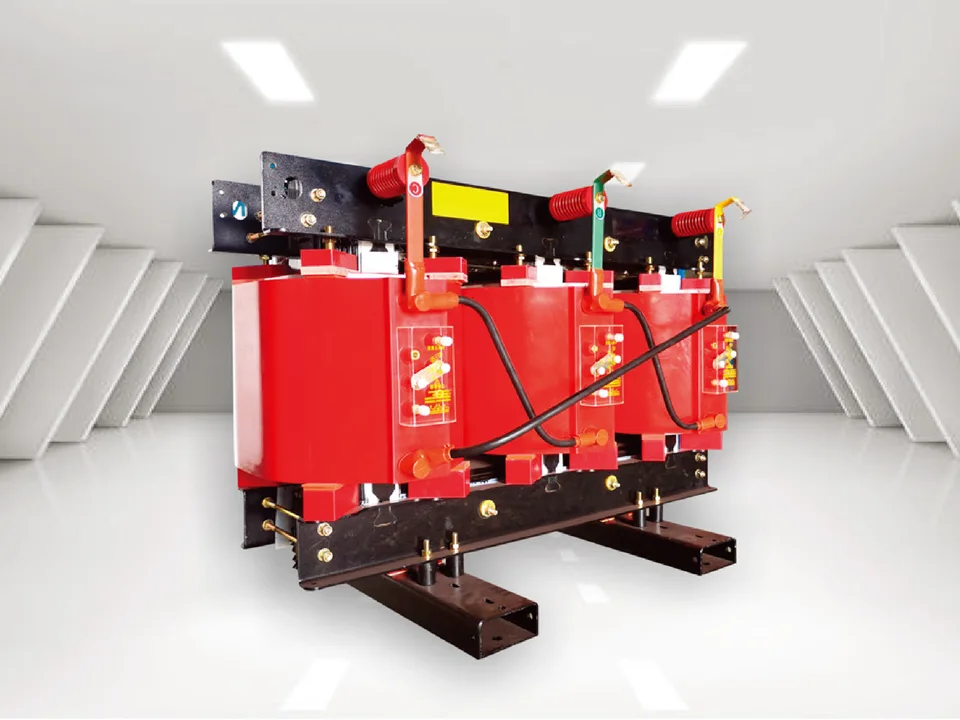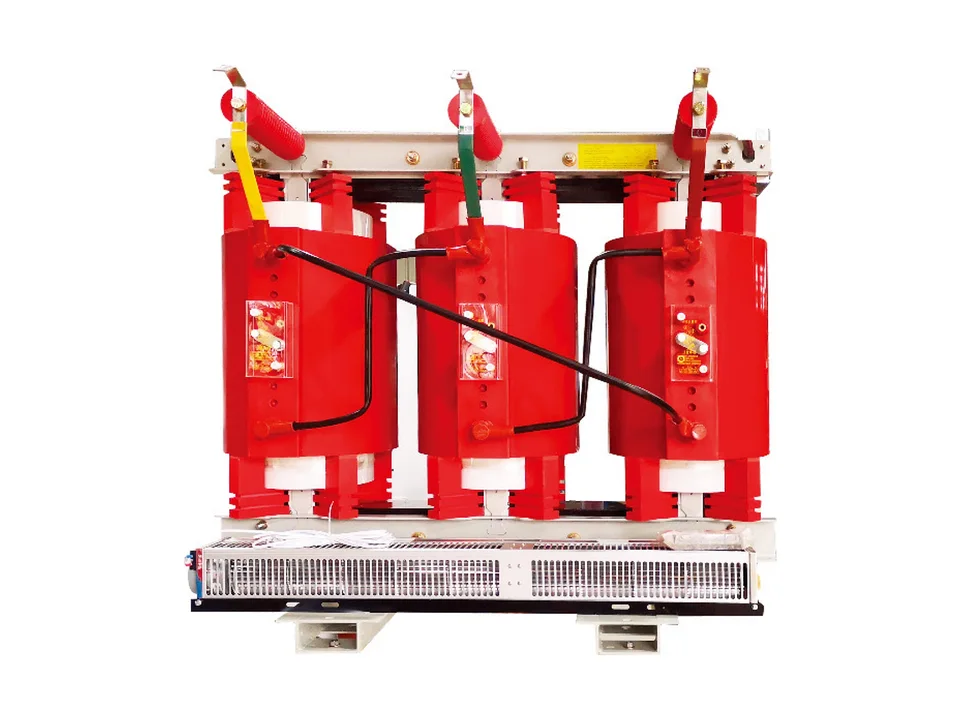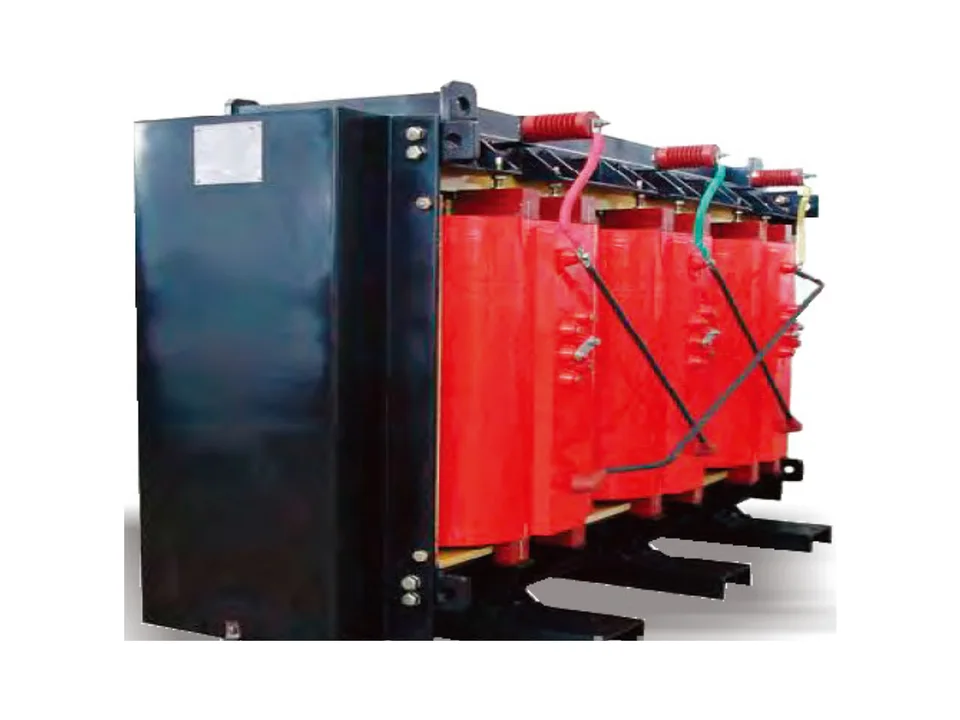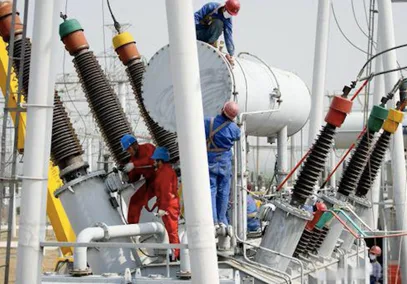
current transformer-XinYa China manufacturer
China current transformer Supplier,Factory 27 years in GuangDong
By Xinya Power editorial team
Current Transformer: Technical Overview for Measurement and Protection
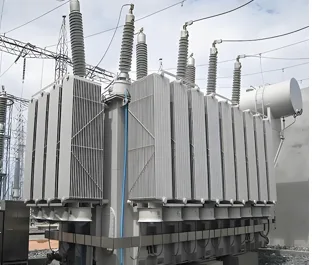
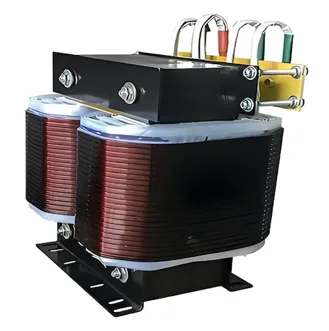
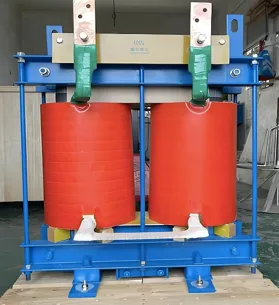
A current transformer is an instrument transformer used to convert high primary current into a proportional, standardized secondary current for metering, protection, monitoring, and control. Typical secondary outputs are 5 A or 1 A, allowing meters, relays, energy management systems, and automation devices to operate safely without direct connection to high-current circuits. The current transformer works on the principle of electromagnetic induction. The primary conductor carries the system current, while the secondary winding produces a reduced current proportional to the turns ratio. This provides accurate current information and electrical isolation between the primary power circuit and secondary equipment. Current transformers are generally divided into measuring CTs and protection CTs. Measuring CTs are designed for accurate current representation under normal load conditions and are commonly used with ammeters, energy meters, and power monitoring devices. Protection CTs are designed to maintain acceptable accuracy during fault currents and are used with overcurrent relays, differential protection, and earth-fault protection systems. Common construction types include toroidal, busbar-type, wound-primary, split-core, and bushing-type current transformers. Insulation methods may involve epoxy resin, oil, gas, or dry-type designs, depending on voltage level, installation environment, and application requirements. Key technical parameters include primary and secondary current rating, accuracy class, rated burden, frequency, insulation level, short-time thermal current, dynamic stability current, and accuracy limit factor. Selection should be based on system voltage, maximum load current, expected fault level, secondary circuit burden, and applicable IEC or IEEE standards. Proper installation requires secure primary connection, correct polarity, reliable secondary grounding, and avoidance of open-circuit conditions on the secondary side. Routine checks of terminal tightness, insulation condition, burden matching, and protective device coordination help maintain measurement accuracy and system safety.
China XINYA Power Cables Co., Ltd Email: [email protected] Email: [email protected] whatsapp: +86 15289885778 Website: https://www.supplytransformer.com