Operational Principles and Engineering Standards for a Power Transformer
China Power Transformer Supplier,Factory 27 years in GuangDong
By Xinya Power editorial team
Operational Principles and Engineering Standards for a Power Transformer
A power transformer is a static electrical machine designed to transfer electrical energy between circuits through electromagnetic induction, primarily functioning to step up or step down voltage levels within a transmission or distribution network. Unlike distribution transformers which operate at varying loads, a power transformer is typically utilized in high-voltage transmission networks and is optimized for maximum efficiency at or near full load. These units are critical infrastructure components, ensuring that electricity generated at power plants can be transmitted over long distances with minimal resistive losses before being stepped down for industrial or commercial consumption.
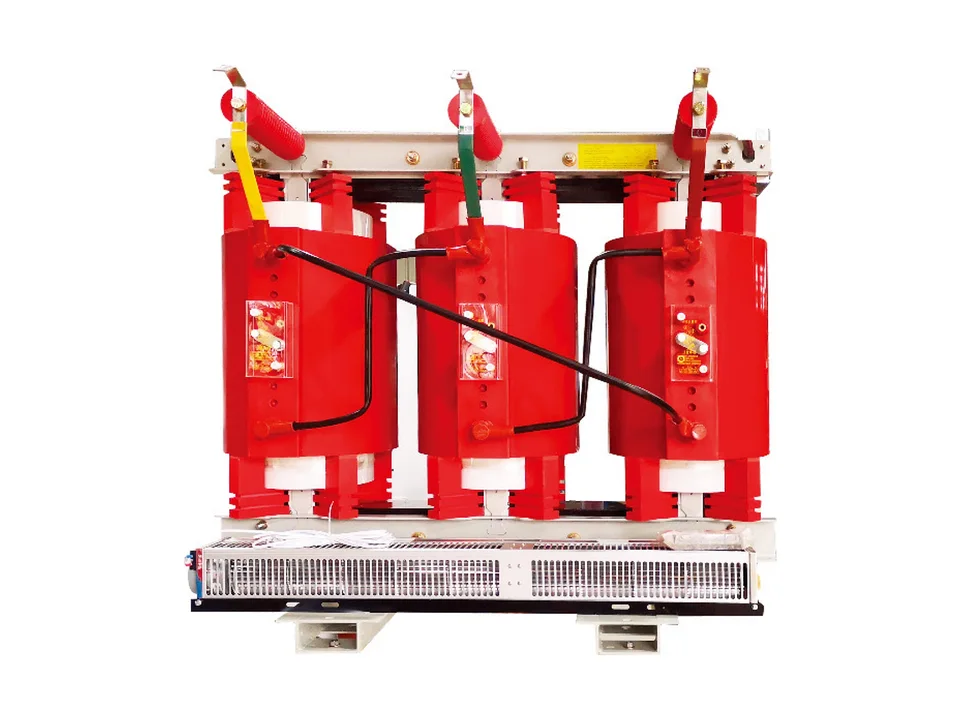
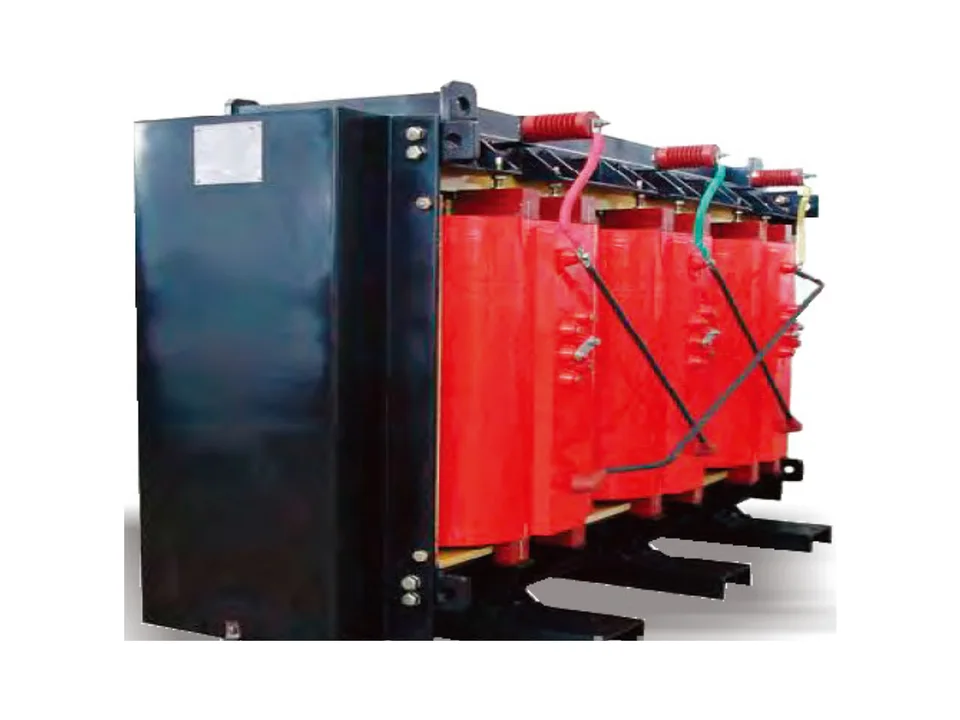
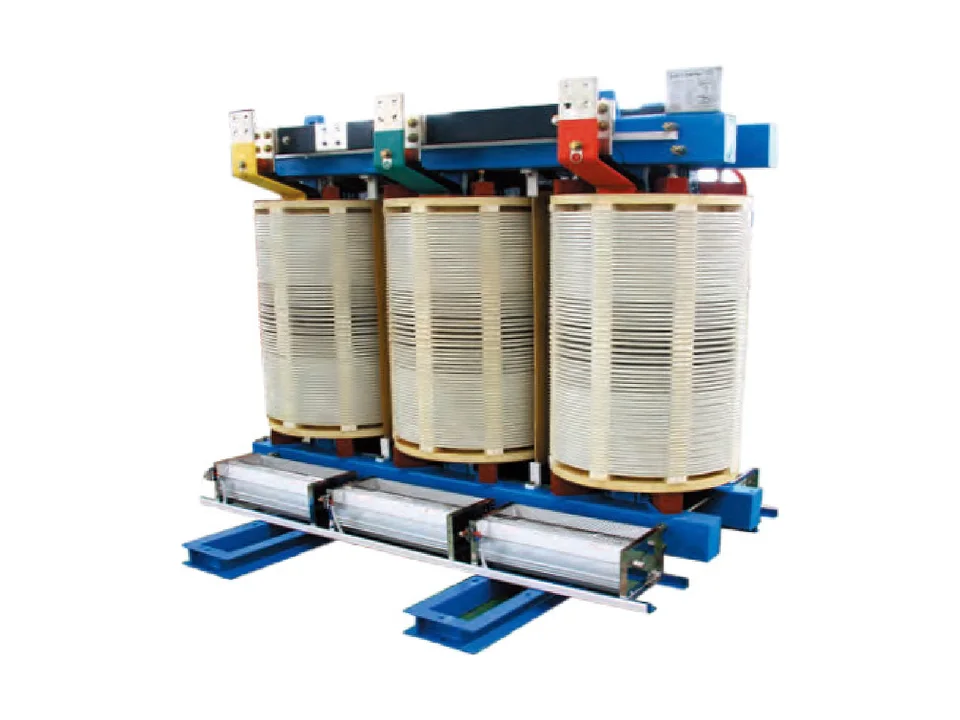
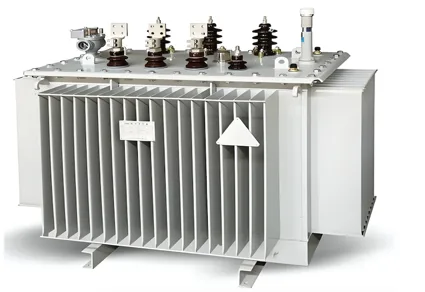
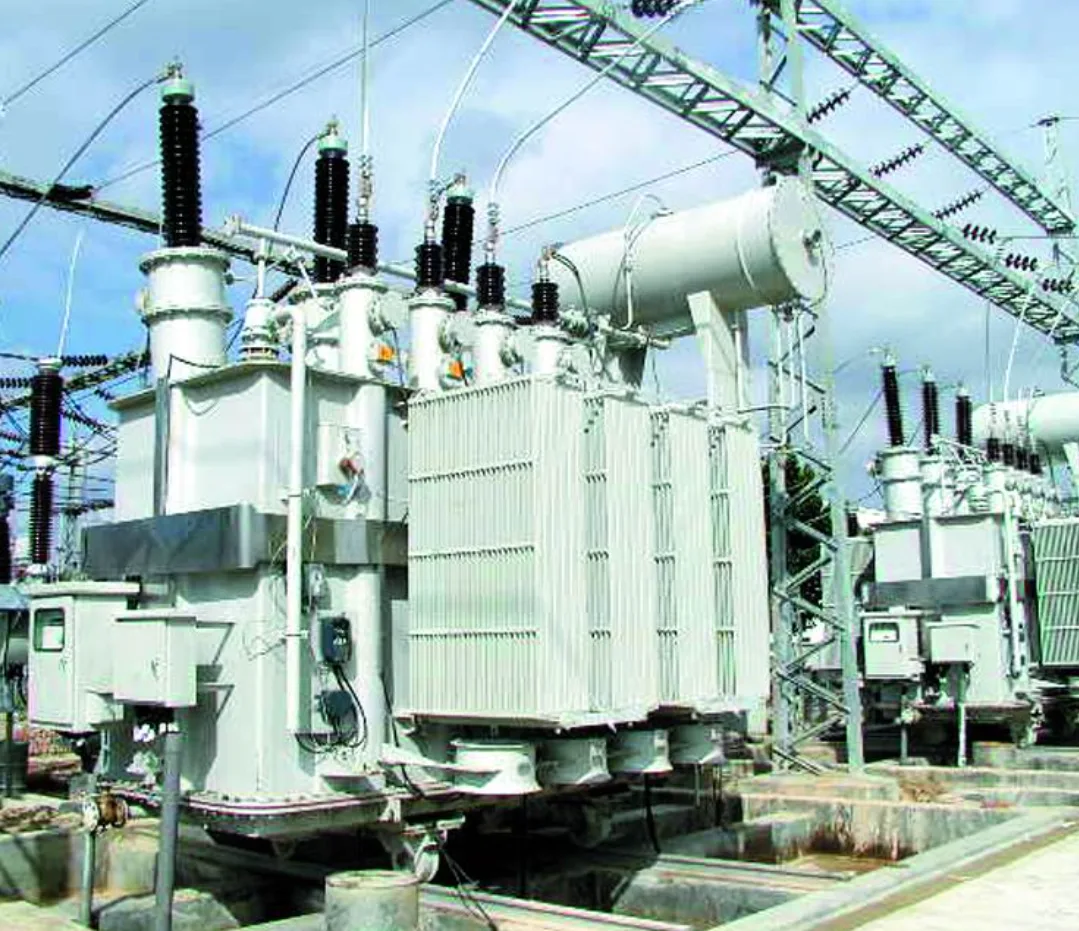
The construction of a high-efficiency power transformer relies on a magnetic core made of grain-oriented silicon steel laminations to minimize hysteresis and eddy current losses. The windings, usually composed of copper or aluminum, are insulated using specialized paper and immersed in high-grade transformer oil. This oil serves a dual purpose: it acts as a dielectric insulator to prevent arcing and as a coolant to dissipate the heat generated during operation. For large MVA-rated units, external radiators and forced oil or forced air cooling systems are integrated to maintain optimal operating temperatures and prevent thermal degradation of the insulation system.
Modern power transformer designs prioritize reliability and grid stability. Key technical specifications include the vector group, impedance voltage, and vector grouping, which must be matched precisely to the grid requirements. Furthermore, the integration of On-Load Tap Changers (OLTC) allows for voltage regulation without interrupting the power supply, compensating for voltage drops or surges in the grid. Advanced monitoring systems now track Dissolved Gas Analysis (DGA) and moisture levels in real-time, providing predictive data that helps facility managers prevent catastrophic failures and extend the asset's lifecycle.
China XINYA Power Cables Co., Ltd Email: [email protected] Email: [email protected] whatsapp: +86 15289885778