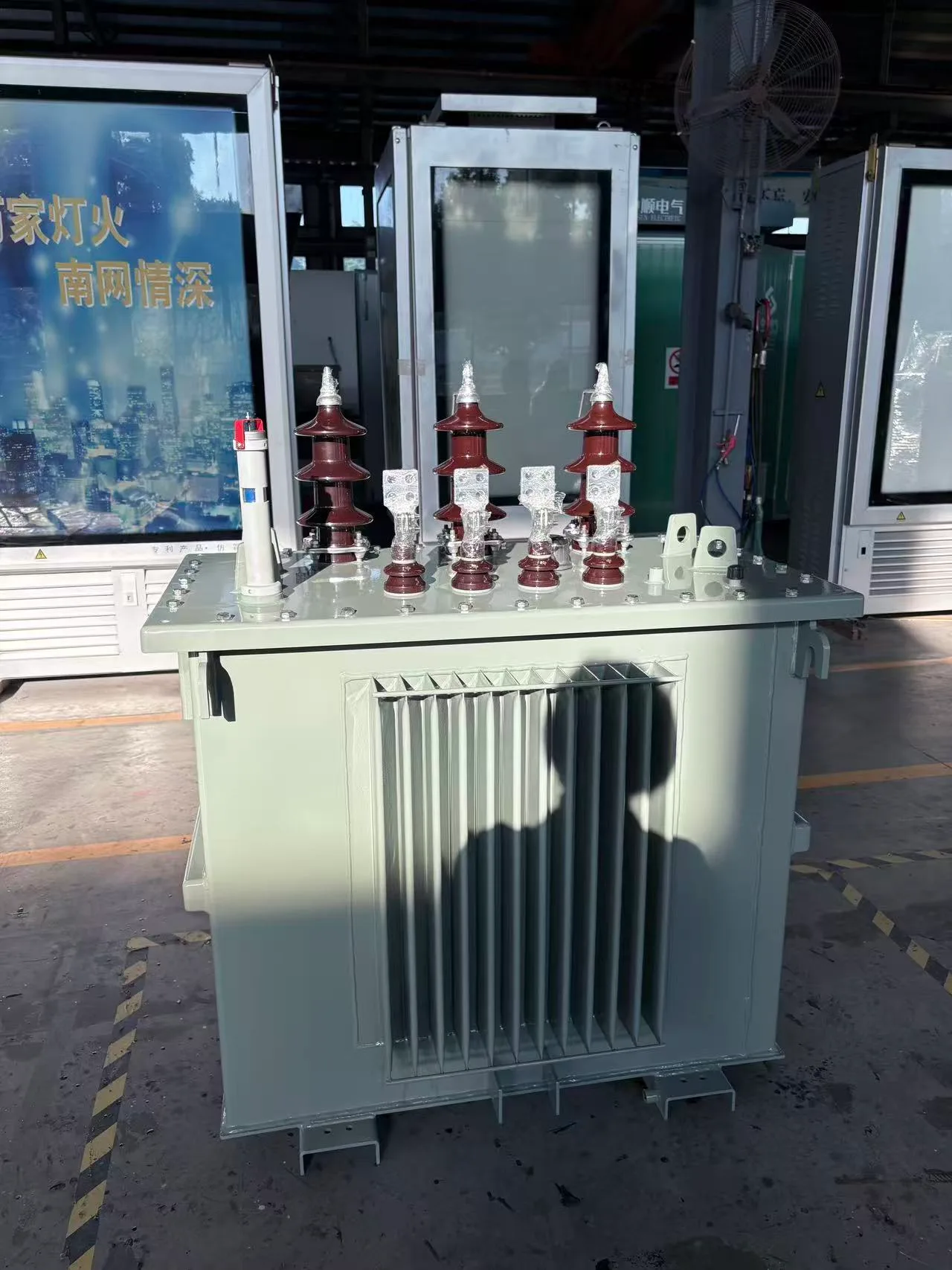
China Dry Type Transformer Supplier for Industrial Power Distribution
China Dry Type Transformer Manufacturer in Guangdong Factory
By Xinya Power editorial team
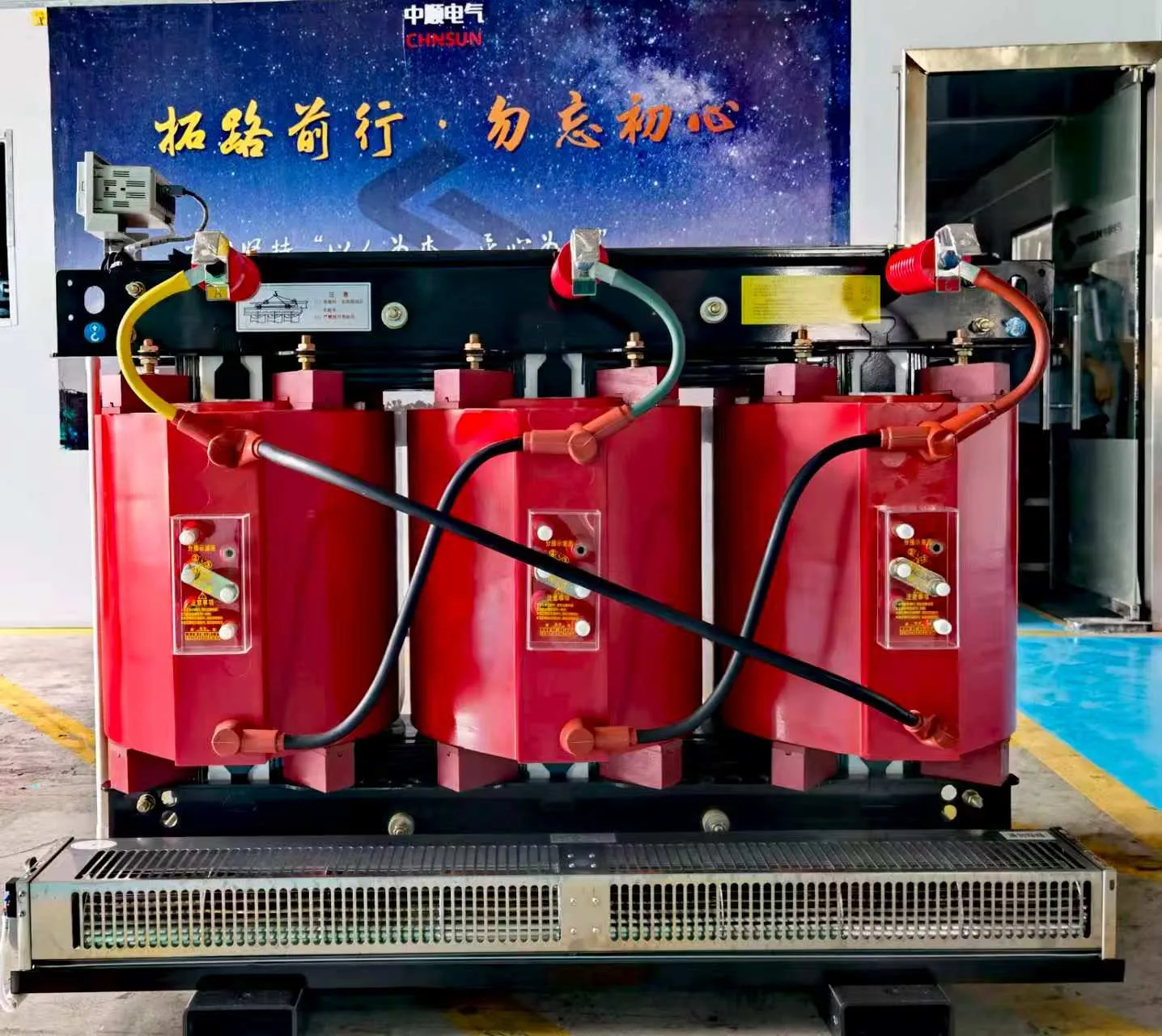
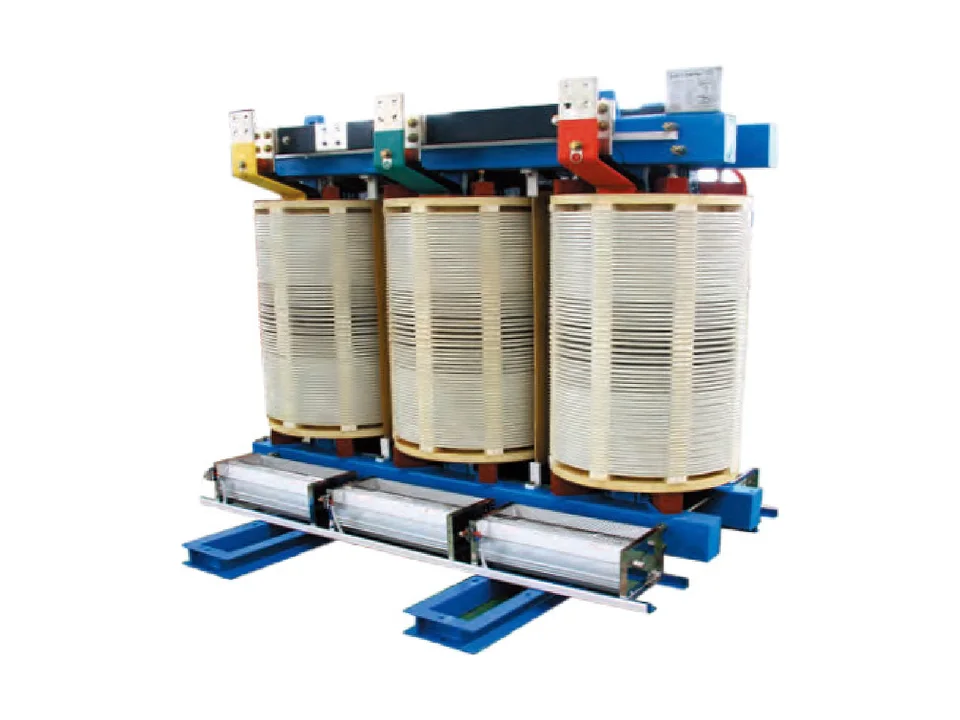
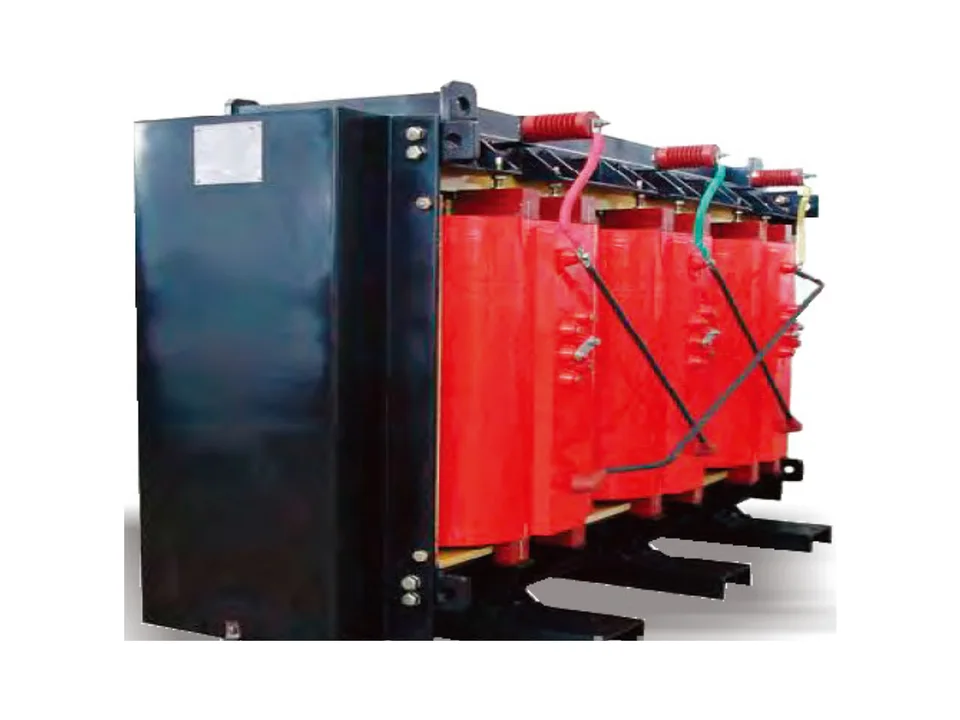
Dry Type Transformer: Technical Overview for Industrial Power Distribution A dry type transformer is an electrical transformer that uses air or solid insulation instead of oil for cooling and dielectric protection. It is widely used in industrial plants, commercial buildings, data centers, renewable energy stations, and indoor distribution systems where fire safety, environmental protection, and stable operation are required. Because it does not contain flammable liquid insulation, it is suitable for locations with strict safety standards and limited ventilation conditions. Dry type transformers are commonly designed with cast resin insulation or vacuum pressure impregnated insulation. Cast resin dry type transformers provide strong moisture resistance and mechanical strength, making them suitable for humid or corrosive environments. Vacuum pressure impregnated dry type transformers offer good heat dissipation and maintenance convenience, and are often applied in commercial and industrial power distribution networks. Both types support stable voltage transformation and reliable long-term operation when installed according to technical requirements. A typical dry type transformer consists of a laminated steel core, copper or aluminum windings, insulation system, cooling structure, and terminal connections. The core reduces magnetic loss and improves energy efficiency. The windings transfer electrical energy between primary and secondary circuits. The insulation system protects the transformer from short circuits, moisture, dust, and thermal stress. Cooling is usually achieved through natural air circulation or forced air fans, depending on load conditions and installation environment. Dry type transformers are available in single-phase and three-phase configurations. Common voltage classes include low voltage and medium voltage levels, which can be adapted to different power distribution architectures. They are often applied in factory substations, workshop distribution rooms, motor control centers, HVAC systems, lighting networks, UPS systems, and renewable energy integration points. Their compact structure and reduced fire risk make them easier to install in indoor electrical rooms. When selecting a dry type transformer, key technical parameters include rated power, primary and secondary voltage, frequency, insulation class, temperature rise, impedance, efficiency level, protection class, noise level, and installation environment. Proper selection helps reduce energy loss, improve power quality, and extend service life. It is also important to consider ambient temperature, altitude, humidity, dust conditions, and load characteristics during design. Installation should follow electrical standards and manufacturer specifications. The transformer must be placed in a clean, dry, and well-ventilated area. Clearance around the equipment should allow sufficient airflow and maintenance access. Regular inspection includes checking terminal connections, insulation condition, temperature rise, ventilation paths, and protective devices. With proper maintenance, a dry type transformer can deliver stable performance in continuous industrial and commercial power systems.
China XINYA Power Cables Co., Ltd Email: [email protected] Email: [email protected] whatsapp: +86 15289885778 Website: https://www.supplytransformer.com