Power Transformer Guide: How to Specify and Buy the Right Unit
A buyer's guide to power transformers: key specifications, types, testing, and procurement. Learn how to choose the right unit for your project.
By Xinya Power editorial team

Image: Transformers Magazine
Understanding the Power Transformer Landscape
When you search for "power transformer," you're likely looking to specify, price, or procure a transformer for a project. The global grid is under strain: over 2,060 GW of generation and storage capacity is stuck in U.S. interconnection queues, with typical projects waiting nearly five years (POWER Magazine). In Africa, the bottleneck isn't a lack of grid plans but a lack of financing (ESI Africa). Meanwhile, utilities are investing in live-line maintenance to keep existing assets running (Transformers Magazine), and the market for remanufactured high-voltage equipment is consolidating (Transformers Magazine). These trends mean buyers need to specify transformers that are efficient, reliable, and delivered on time.
This guide covers the essentials: key specifications, transformer types, testing, and cabling considerations.
Key Specifications to Check
When reviewing a transformer datasheet, focus on these parameters:
- Rating (kVA/MVA): Match to your load profile. Distribution transformers typically range from 10 kVA to 5 MVA; power transformers from 5 MVA to 40 MVA and beyond.
- Voltage class: HV and LV voltages, plus tapping range (e.g., ±2×2.5% for off-circuit tap changer, or OLTC for on-load).
- Vector group: Determines phase displacement (e.g., Dyn11 for distribution, YNd11 for power). Critical for parallel operation.
- Impedance: Affects short-circuit current and voltage regulation. Typical values: 4–6% for distribution, 8–12% for power transformers.
- Losses and efficiency: No-load and load losses determine operating cost. Check compliance with IEC 60076-20, EU Tier 2, or GB 20052 (China). Amorphous-alloy cores cut no-load loss by about 70%.
- Cooling class: ONAN (oil natural air natural) for standard; ONAF for higher capacity. Dry-type: AN/AF.
- Insulation and IP rating: For dry-type, insulation class (F or H) and IP rating (e.g., IP20, IP23) matter for environmental protection.
- Testing: Require type and routine test reports to IEC 60076 (power transformers) or IEC 62271 (switchgear).
Choosing the Right Transformer Type
The application dictates the type:
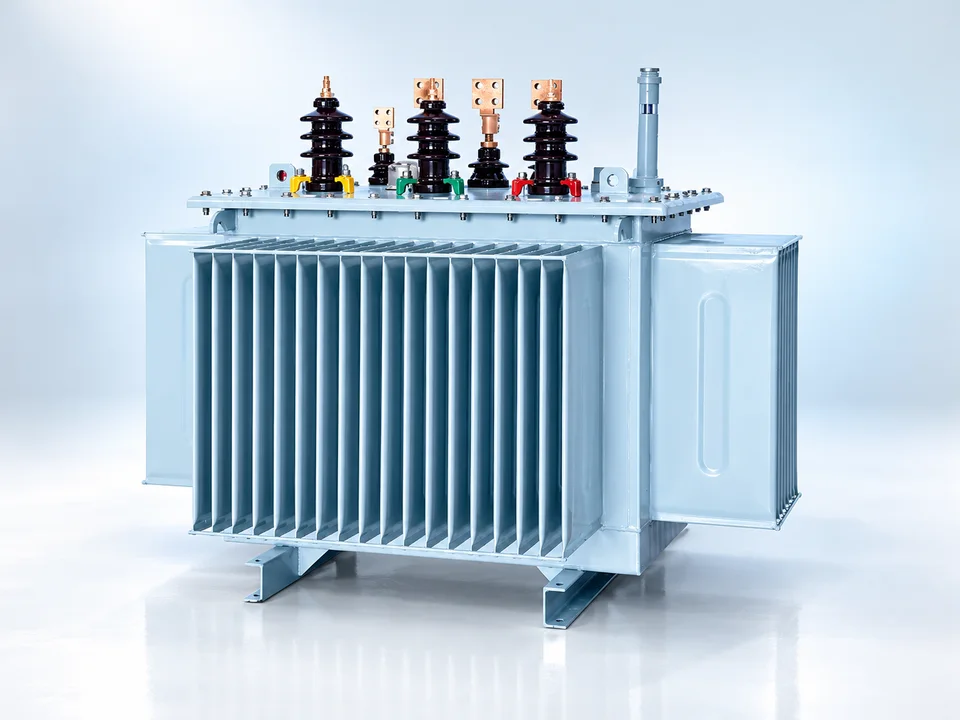
- Oil-immersed distribution transformers: Workhorses for utility networks. Sealed, low-loss models like the S13 Oil-Immersed Distribution Transformer 10 kV are maintenance-free. For 33 kV networks, see the 33 kV Oil-Immersed Distribution Transformer.
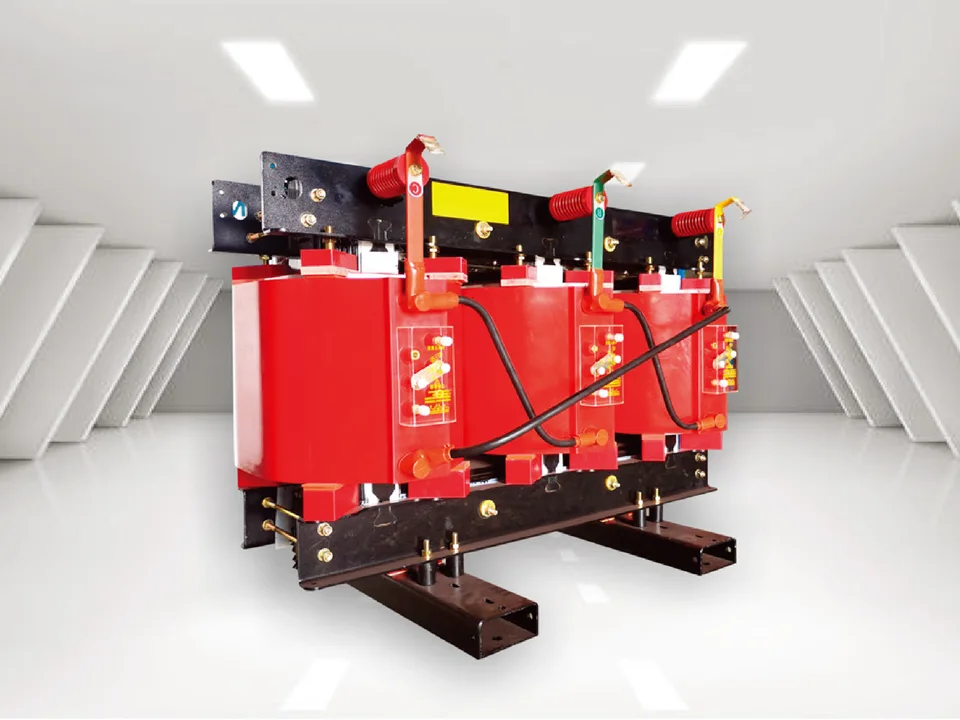
- Dry-type transformers: Fire-safe and oil-free, ideal for buildings, hospitals, and factories. The SCB Cast-Resin Dry-Type Transformer is a common choice. For noise-sensitive areas, consider the 35 kV Low-Noise Dry-Type Power Transformer (down to 45 dB).
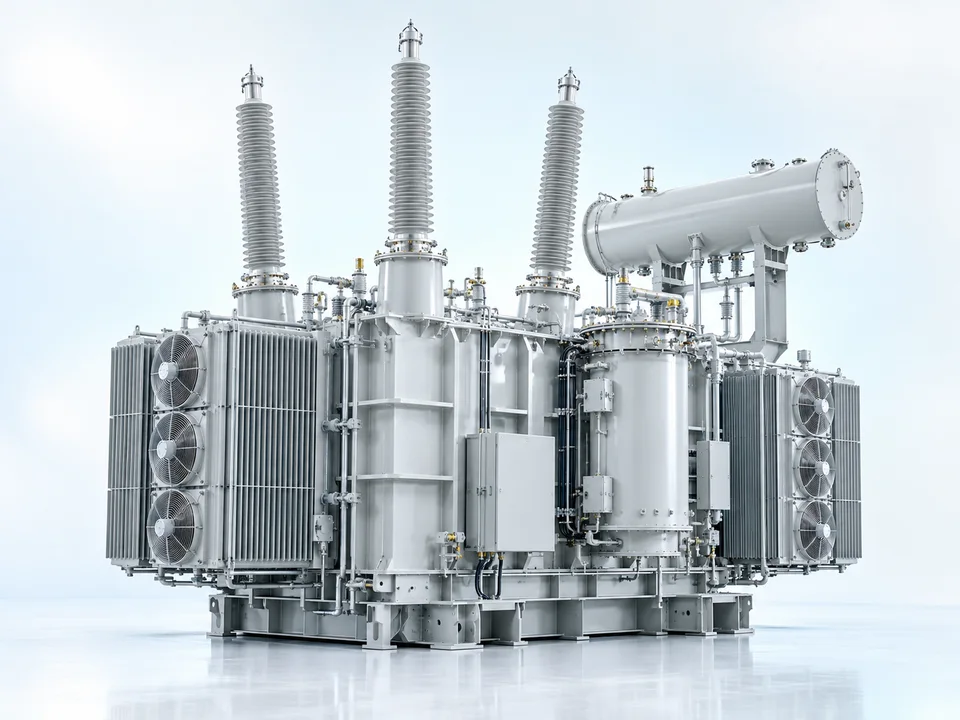
- Power transformers: For substation and grid applications. The 110/132/220 kV Power Transformer is engineered per project up to 40 MVA.
- Special transformers: Grounding transformers for ungrounded systems, solar step-up transformers for renewables.
Lead Times, Shipping, and Cabling
Lead times vary by type and rating: distribution transformers typically 4–8 weeks; power transformers 12–20 weeks. Shipping depends on size and destination; oil-immersed units require careful handling. For cabling, match MV cable size to transformer HV terminals and short-circuit rating. XLPE cables like XLPE Medium-Voltage Power Cable YJV/YJV22 are standard. Ensure terminations are rated for the system voltage and fault level.
Next Steps
To get an accurate quotation, send your load requirements, voltage levels, and site details to our team at /en/contact/. We'll help you select the right transformer and provide a competitive offer.
Frequently asked questions
What is the difference between a power transformer and a distribution transformer?
Power transformers are used in transmission networks (typically above 33 kV) to step voltage up or down for bulk power transfer. Distribution transformers are used at the end of the grid (typically 33 kV and below) to supply power to end users. Power transformers are usually larger and have higher MVA ratings.
How do I choose between oil-immersed and dry-type transformers?
Oil-immersed transformers are more cost-effective for outdoor and high-capacity applications, while dry-type transformers are preferred for indoor, fire-sensitive locations like buildings and hospitals. Dry-type units are also quieter and require less maintenance.
What tests should a power transformer undergo before delivery?
Routine tests include winding resistance, ratio, impedance, and insulation resistance. Type tests include temperature rise, impulse, and short-circuit tests. Ensure the manufacturer provides test reports compliant with IEC 60076 or equivalent standards.
What is the typical lead time for a power transformer?
Lead times vary by rating and complexity. Distribution transformers typically take 4–8 weeks, while power transformers can take 12–20 weeks. Custom designs may require longer. Always confirm with the manufacturer.
This article was compiled with automated research and reviewed against the cited sources.